Sell-side advisory

Selling the company you built, with the preparation finished before a buyer calls.

Cordis represents owners of founder-led and family companies through the sale of the business. Most of the work happens before the market hears your name, so diligence is answered from a file that already exists.

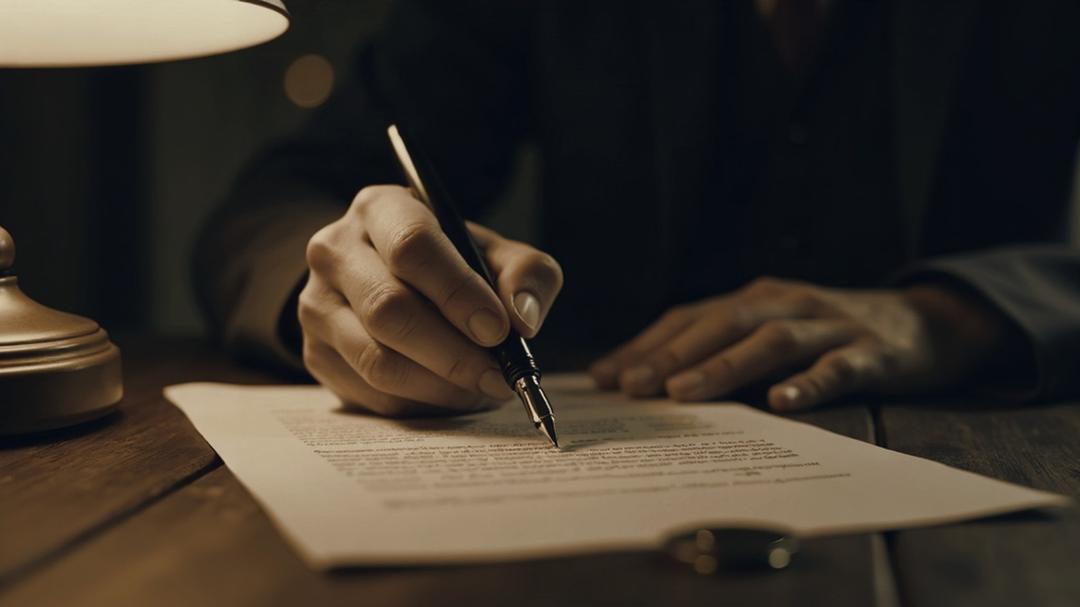
An owner signing closing documents at a desk

Your side of the table

A sale happens to an owner once. The buyer has done it many times.

The people across the table arrive with a model, a playbook and counsel who does nothing else. They will read your company through three years of statements and a data room, and their price will rest on what those documents can prove.

Decades of work deserve the same discipline on your side. Cordis prepares the company the way a buyer will test it, runs a competitive process under the Cordis name, and stays through closing and the first quarter that follows.

Each stage ends in a decision that belongs to you.

Why preparation comes first

Much of the price is decided after the handshake.

73%

of lower middle market transactions in the Working Paper 001 dataset include at least one price adjustment after the letter of intent1

18%

of enterprise value: the average size of those adjustments1

The Preparation Gap

Value lost between a signed letter of intent and closing has a name.

Cordis research calls the value lost between a signed letter of intent and closing the Preparation Gap. Most of it traces to what a buyer finds in diligence that the seller could have organized, explained or fixed in advance.

The remedy is time, spent before the process begins. That is why the first stage of every mandate is the longest, and why it happens entirely out of view.

The four stages

Four stages, weighted to the first.

A full process usually runs nine to twelve months from the start of preparation to closing.

  1. 01Prepare, out of viewThree years of financials rebuilt to the basis a buyer's bank will use, every add-back documented, an independent quality of earnings commissioned on your side, and the memorandum, teaser and data room built. This stage includes the Cordis MRI, a diagnostic that models how each type of buyer would price the company. Your part: open the files, answer questions, and name anyone who must never be approached.
  2. 02Market and protectA buyer field researched name by name, each approached under the Cordis name and qualified on identity and verified source of funds before receiving any confidential information. Your part: approve the list, and decide when any buyer learns who you are.
  3. 03Secure the dealEvery indication normalized to one basis with a written recommendation on each, an owner-led session with each finalist, and the letter of intent negotiated term by term. Your part: meet the finalists and choose. Your employees meet a buyer only with your approval, and normally only after a letter of intent.
  4. 04CloseConfirmatory diligence answered from a data room that is already built, the add-back schedule defended, any late attempt to lower the price answered from the file, and funds flow confirmed in writing before anyone signs. Your part: the decisions only an owner can make, and the signature.

What a buyer will test

Six things every serious buyer tests, and how preparation answers each.

A buyer's accountant and lender will look at all of them. The only question is whether the answers are ready.

Quality of earnings

Whether reported profit survives an independent review. Answered with add-backs documented by category and by year.

Customer concentration

How much rides on the largest accounts. Answered with contracts, history and, where possible, real diversification documented over time.

Dependence on the owner

Whether the business runs without you. Answered with a second tier of decision-makers whose authority is written down.

Working capital

What the buyer expects to be left in the business at closing. Answered with a monthly history that supports a fair level before it is negotiated.

Reporting

Whether the numbers can be tested month by month. Answered with accrual statements and a monthly close.

Licenses, contracts and property

Whether permits, leases and key agreements transfer with the company. Answered by finding anything held personally by the founder, early.

Who buys

Six kinds of buyers, each reading the company differently.

The same company can draw very different offers depending on who is reading it. Choosing the buyer is a decision, best made before the market hears your name.

Private equity add-on

Joins your company to a platform it already owns. Pays for what it can absorb, within limits its lenders set.

Private equity platform

The company a sponsor builds around. Looks for management depth, sound systems, and a business that runs without its founder.

Strategic acquirer

An operating company in or near your market. Pays for customers, people and territory, and for the savings it can realistically capture.

Public company

A listed acquirer adding scale or a new line. Values audit-ready numbers and a business that fits its reporting.

Family office

Patient capital with a long hold. Values steady earnings and a team that stays, and often keeps the name on the building.

Search fund or independent sponsor

An individual who will run the company, often with bank financing. Reads earnings by lender rules and values the time you give to the transition.

How the work differs

What is typical, and what Cordis commits to in writing.

Each line on the right is a commitment made in writing before a mandate begins.

TypicalCordis
How the advisor is paid
TypicalOften success-only, paid when a deal closes.
CordisA work fee for the preparation and a success fee for the outcome, so we can advise you to wait.
When diligence is answered
TypicalAfter the letter of intent, under time pressure.
CordisBefore the process begins, with the evidence already in the file.
Quality of earnings
TypicalCommissioned by the buyer once terms are set.
CordisCommissioned on your side, before any buyer sees the numbers.
The buyer list
TypicalA database export filtered by sector and size.
CordisResearched name by name: ownership, fit, capital position and a contact path for each.
Who carries the file
TypicalOften senior at the pitch, junior in the work.
CordisA named senior advisor carries it from the first call to closing.
Where the engagement ends
TypicalAt the closing table.
CordisThrough the first quarter after closing, with the people who negotiated the terms.
What you keep
TypicalA closed transaction.
CordisThe full record: rebuilt financials, the quality of earnings, the memorandum and the data room.
How fees work

Two fees for two jobs, quoted in writing before work begins.

A sell-side engagement carries a work fee for the preparation and a success fee for the outcome. Both are quoted in writing before any work starts, and any expense you have not approved is ours.

How the two fees relate is set out in the written quote, so the fee conversation is finished before the hard choices arrive.

Cordis does not take success-only mandates. Because the preparation is paid for either way, we can tell you when the right answer is to wait.

Confidentiality

Your name stays yours until you decide otherwise.

Preparation happens entirely out of view. When outreach begins, you decide which buyers see the company and when any of them learns its name.

Information is released in tiers from a watermarked data room, so each buyer sees only what its stage of the process requires. Your employees, customers, lenders and competitors hear nothing from us without your say-so.

Related

Read further.

Questions

What owners ask first.

How long does it take to sell a company?

A full process usually runs nine to twelve months from the start of preparation to closing. A company prepared in advance moves through diligence faster, because the answers already exist.

When should I start preparing?

Earlier gives you more options. Two to three years ahead lets you change what a buyer will see. A few months ahead still lets you know what a buyer will find before they find it.

How do I keep my employees from finding out?

Preparation happens out of view, approaches go out under the Cordis name, and you decide when any buyer learns who you are. Your employees meet a buyer only with your approval, and normally only after a letter of intent is signed.

How is Cordis paid on a sale?

A work fee for the preparation and a success fee for the outcome, both quoted in writing before work begins. Cordis does not take success-only mandates.

Is the Cordis MRI part of a sale engagement?

Yes. It sits in the preparation stage of every sell-side mandate.

Will you tell me if I should not sell yet?

Yes. Because the preparation is paid for either way, nothing in our structure pushes you toward an early closing. If waiting would serve you better, we will say so.

Do you take every company that asks?

No. We take a mandate only where our work can add something material. If it cannot, we say so and point you to someone better suited.

Could Cordis also represent the buyer?

No. Cordis represents one side of a transaction, and discloses any overlap in writing to both.

Sources

  1. Cordis Institute, Working Paper 001, The Preparation Gap in Early 2026, April 3, 2026 Source

The first stage starts long before the market hears your name.

A first conversation is confidential, at no cost, and requires no engagement and no NDA. A senior member of the firm replies within one business day.

A written read of how a buyer will see your company.