Buy-side advisory

Growing by acquisition, with an advisor on the buyer's side of the table.

For owner-operators, family offices and independent sponsors adding a company to what they already own. Cordis designs the strategy with you, runs the search under its own name, and stays through the first quarter of ownership.

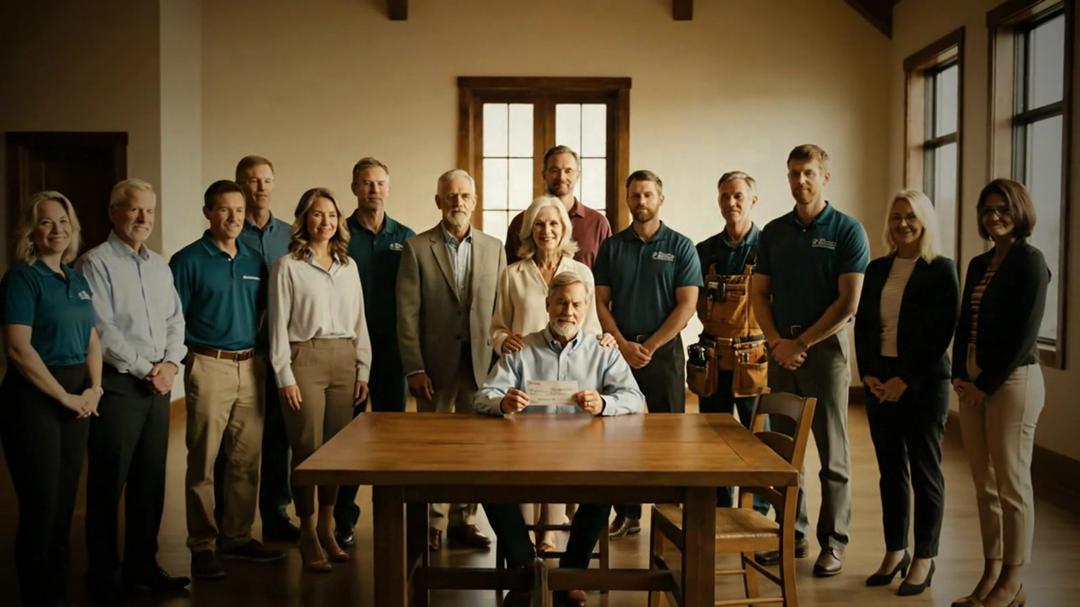
A company team gathered around a table in their own office

Why acquire

Organic growth built the company. Acquisition buys time.

The business you run today was built one customer, one hire and one year at a time, and that remains its foundation. Acquisition is a different instrument. It adds capability, territory or people that would take years to build, and it carries risks organic growth never does.

Acquisitions that disappoint often trace to decisions made before price: the wrong target, a ceiling never set, earnings never tested, a seller who left too early. The work is designed around those moments.

Who it is for

Three kinds of acquirer, one discipline.

The buyers differ. The questions that protect them are the same.

Owner-operators

Founders and families growing a company they run, often by buying a competitor, a supplier or customer, or a business in a neighboring territory.

Family offices

Long-term capital looking for a durable private company to hold, with a clear view of what is being bought and who will run it.

Independent sponsors

Deal-by-deal acquirers who need a researched pipeline, disciplined screening, and a target whose earnings hold up under review.

The four stages

Most of the outcome is set before the first approach.

At the close of each stage you choose: proceed, adjust the criteria, or stop.

  1. 01The buildEverything that exists before an approach goes out: the strategy, the criteria, the market researched company by company, and the ceiling on price. Your part: tell us what you are building toward and what you will not do.
  2. 02The searchApproaches made under the Cordis name. The early conversations are handled for you, including the many that end there, until a shortlist remains of owners who meet the criteria and will transact. Your part: review the shortlist and choose whom to meet.
  3. 03Pricing and diligenceWhat a specific company should cost you, with any overlap with your own business tested. An independent accountant tests earnings before the price is final, and the gap between reported and confirmed profit is priced in. Your part: approve the offer.
  4. 04Structure and integrationThe seller's departure agreed at the outset on a defined date, retention agreements signed before closing, and the two businesses combined rather than held side by side. Your part: own the ninety-day plan with us.

What you receive

The documents an acquirer holds at each stage.

Each is written so a deal can be judged on paper before anyone spends a day on it.

Where acquisitions lose value

Four ways an acquisition disappoints, and the step that reduces each.

Each is answered at a specific point in the work.

Paying for earnings that are not there

Reported profit that does not survive review. Reduced by testing earnings independently before the price is final.

Paying past the point of return

Momentum carries the price upward. Reduced by setting the ceiling in writing during the build, before any seller is met.

Losing the people you paid for

Key employees leave after closing. Reduced by retention agreements signed before closing.

A seller who leaves too soon, or too late

Knowledge walks out the door, or authority stays blurred. Reduced by agreeing the seller's departure date at the outset.

How fees work

Fees set in writing before the first approach.

Fees for a buy-side engagement are set in writing before the first approach: one for the build and a monthly fee while the search runs. Neither moves with the price you pay, so our advice on price carries no incentive to pay more.

While the search runs, the monthly fee covers the outreach and the quarterly market read. Everything is quoted in writing before work begins.

If a specific company is already in view, Cordis can be engaged for that one transaction: pricing, diligence, structure and the offer.

Conflicts and scope

One side of every table.

Cordis advises owners who sell and owners who buy, and it represents one side of any transaction, and discloses any overlap in writing to both.

If a company Cordis represents in a sale could be the right fit for a buy-side client, Cordis discloses that relationship in writing to both before any introduction. In any transaction, Cordis represents one side.

Cordis does not raise capital, arrange financing or assemble investor groups. Clients acquire control and run the company.

Related

Read further.

Questions

What owners ask first.

Will sellers know who I am?

Not until you decide. Approaches go out under the Cordis name, and your identity is shared with a seller only when you choose to proceed.

What if Cordis is advising a company I want to buy?

If that company could be the right fit, Cordis discloses the relationship in writing to both before any introduction, and represents one side of the transaction, and discloses any overlap in writing to both.

I already have a target in mind. Can you help with just that deal?

Yes. Cordis can be engaged for a single transaction: pricing, diligence, structure and the offer.

How is the fee set?

Fees are set in writing before the first approach: one for the build and a monthly fee while the search runs. Neither moves with the price you pay.

Does Cordis provide financing?

No. Cordis does not raise capital, arrange financing or assemble investor groups. Clients acquire control and run the company.

We are a family office, not an operating company. Is this for us?

Yes. The discipline is the same: criteria in writing, a ceiling set early, earnings tested before the price is final, and a clear plan for who runs the company after closing.

What happens after closing?

Advisory continues through the first quarter of ownership, carried by the people who negotiated the terms, with a ninety-day plan that names an owner for every item.
Tell us what you are building.

A first conversation about an acquisition is confidential and at no cost. A senior member of the firm replies within one business day.