In the work


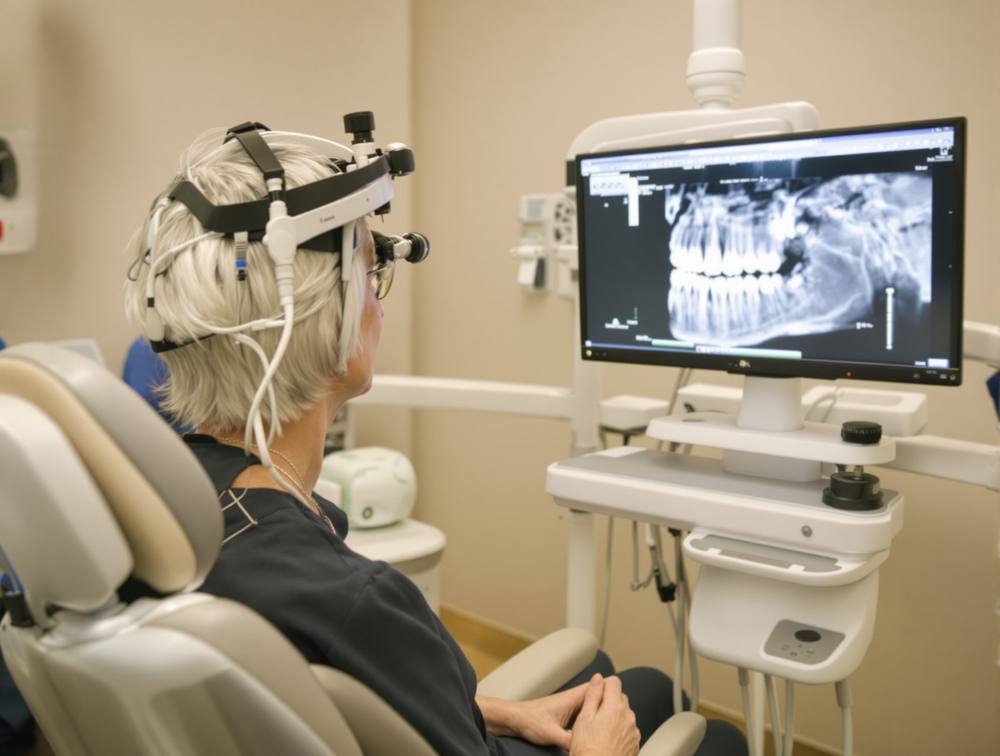
Accounting firms, physician groups, veterinary hospitals, dental, therapy and specialty practices. You built it on trust, one relationship at a time. The buyers now studying your field are institutional, and they pay for the part of that trust that transfers.
You built the practice one client or one patient at a time. Some of them have been with you for twenty years. They call your cell, they ask for you at the front desk, and they forgive a long wait because it is you on the other side of it.
You also carry the practice in ways no one else sees. You know which partner or associate is quietly carrying the schedule, which referral source matters most, which payer contract is due for renegotiation, and which long-time staff member holds the whole front office together.
That trust is the asset. It is also the hardest thing in the business to hand to someone else, and a buyer will spend most of diligence trying to measure how much of it stays when you step back.

When your name is on the door, the practice runs on trust in you. The work is making that trust transferable before anyone asks.
of US physicians were employed by hospitals or corporate entities, such as private equity firms or health insurers, as of January 1, 2026.
Physicians Advocacy Institute and Avalere Health, Physician Employment Trends and Practice Acquisitions: 2018-20261
Licensed professions add a layer other industries do not have. Rules on who may own a medical, dental, veterinary or CPA practice differ from state to state, and a growing set of states now require advance notice of certain healthcare transactions.5 CPA firms must be majority owned by licensed CPAs, and only a licensed firm can perform attest work.6 Accounting firms taking outside capital therefore commonly separate attest work from tax and advisory work, and the investment goes to the non-attest side.4 A buyer and its counsel structure around these rules in every deal. Knowing which apply to your practice, before the first conversation, changes which buyers are realistic.
A regional platform, a health system and a family office can look at the same practice and see three different businesses. In a licensed profession, the lane also has to fit the ownership rules that apply to you. That choice is best made before anyone outside the practice knows you are considering it.
Joins your practice to a platform the sponsor already owns, often a regional group run through a management services organization. Pays for providers, payer contracts and patient or client volume it can absorb, within the leverage its lenders allow.
The practice a sponsor builds a region or a specialty around. The highest bar of the six: a leadership bench beyond the founder, clean billing or engagement records, and infrastructure that can carry the acquisitions that follow.
A larger group practice, a national firm or a health system. Pays for market position, referral flow and licensed professionals it would otherwise struggle to recruit, and for the savings it can actually capture once you are inside it.
A listed healthcare services or professional services company adding a market, a specialty or a service line. Pays for audit-ready numbers, defensible billing and a practice that fits its reporting, and integrates on its own calendar.
Patient capital that holds for a long time. Values steady production, a team that stays, a structure that respects the professional ownership rules, and often the name your patients and clients already know.
An operator who will run the business side, frequently with bank financing behind the purchase. Applies strict add-back tests, and usually places the most value on a long, well planned transition with you in the building.
Buyer archetypes adapted from The Buyer Lane Preparation Map, Cordis Institute. The Cordis MRI runs your own financials through each lane before you choose one.
A payer mix, a recurring tax and advisory book, a hospital referral line, a wellness plan base, a hygiene schedule, a cash-pay aesthetics menu. Each practice type has the numbers a buyer's diligence team opens first. Choose yours.
The patient who asks for you by name is the first thing a buyer prices.
Practice deals rarely come apart over one dramatic issue. They lose value through a series of small findings, each one reasonable on its own, each one turned into a reduction, an escrow or an earnout between the letter of intent and the closing table.
Each one is fixable, and every one is cheaper to fix before a buyer finds it.
The practice that commands the premium is the one where a long-time client or patient has already met the next partner, and trusts them. Production spread across the team, payer and client concentration understood, coding and engagement files clean, retention agreements in place, every add-back documented. None of it can be built in the ninety days after a letter of intent. All of it can be built in the two or three years before one.
She expected buyers to value her patient list. What they were really underwriting was whether the practice would hold its schedule after she cut back. Once her two associates were under retention agreements, their production was reported separately for two years, and the referral relationships were introduced to them in person, the buyer's questions changed. So did the structure of the offer, with less of it deferred.
More in practiceOwners hesitate to make this call for one reason: what happens if the team, a customer or a competitor finds out. So the rule is simple, and it holds from the first email.
You see the return, the entity structure and the estate plan. We see how a buyer will read the same company. A Value Protection Study gives your client a buyer's view of the business while there is still time to act on it, and keeps you at the center of the plan.
A range, and the range depends on which buyer is reading it. Provider or partner depth, payer and client mix, how much production depends on you, and how clean the billing and engagement records are move it more than revenue does. Two practices with the same collections can draw very different prices. The Cordis MRI models your own financials through each buyer lane and returns that range.
Six kinds of buyers: private equity add-ons, private equity platforms, strategic acquirers such as larger groups, national firms or health systems, public companies, family offices, and search funds or independent sponsors. Private equity is highly active in healthcare, with 1,029 sponsor-backed US healthcare deals tracked in 2025. The right buyer for a given practice is often a different lane.
Often not directly. Many states limit who may own a medical or dental practice, and a licensed CPA firm must be majority owned by CPAs, with attest work reserved to that firm. Buyers commonly work through a management services organization or an alternative practice structure that keeps licensed ownership in place. The rules vary by state and by profession, so your own counsel should confirm what applies to you.
Not from us. A first conversation stays between you and one partner. If a process begins, you decide which buyers see the practice and when they learn its name, and you decide when and how your team, your patients and your clients hear.
Usually for a period, and its length, schedule and compensation are negotiated. Many buyers ask the founder to stay on under an employment or services agreement. The more production and relationships already sit with your partners and associates, the lighter that commitment tends to be.
A market process commonly runs six to nine months from launch to close, and healthcare deals can take longer where a state requires notice or review before closing. The work that sets the price happens in the year or two before launch.
Earlier than feels necessary. Two to three years gives time to introduce clients and patients to the next generation, spread production across the team, clean up coding and engagement records, and document the earnings a buyer's accountants will test.
One call about your company and your timeline. You decide what happens next.
A written read of how a buyer will see your company.